
Aluminum and vinyl siding can often be painted, but the decision deserves more thought than choosing a new exterior color. The material must be in suitable condition, the coating system must be compatible, and the selected color must respect the siding manufacturer’s requirements. Not every siding problem is a painting problem.
For a Central Iowa home, a careful evaluation can help determine whether painting is a sensible refresh or whether damaged material needs repair or replacement first. Here are the questions to settle before moving ahead.
1. Identify the Siding and Its Condition
Aluminum and vinyl behave differently, so start by identifying the actual material. Look for loose sections, cracks, dents, distortion, missing pieces, and moisture-related damage around adjoining components. Those conditions affect both preparation and whether painting is worthwhile.
A fresh coating cannot straighten warped vinyl, remove dents from aluminum, or correct a siding installation problem. Where material is failing or the source of damage is unclear, evaluation and repairs come first. A written estimate should distinguish painting work from replacement or other repairs rather than blending everything into one vague promise.
2. Clean Away Dirt, Residue, and Chalking
Exterior siding collects dirt and other contamination that can prevent a new coating from bonding. Aluminum may also develop a powdery residue commonly called chalking. Painting over that residue can leave the new finish attached to a weak layer instead of a stable surface.
Cleaning needs to suit the siding and coating system. Pressure should not damage the material or drive water behind it. The surface must be appropriately rinsed and allowed to dry before painting. If residue remains after cleaning, the next steps should follow the coating manufacturer’s guidance, not an assumption that primer fixes everything.
3. Adhesion Needs to Be Evaluated
The existing finish may be factory-applied, previously repainted, or a mix of sound and failing areas. Those differences affect how a new product will bond. Loose or peeling coating needs attention before another finish goes over it, and a test area may be useful where compatibility is uncertain.
Good adhesion comes from the whole process: identification, cleaning, preparation, compatible products, and suitable application conditions. A premium paint label is not enough by itself. Ask the painter to explain the proposed system and any adhesion testing or special preparation that the surface warrants.
4. Primer Depends on the Surface and System
Neither “always prime all siding” nor “never prime vinyl” is a complete rule. Bare or exposed aluminum, certain repairs, remaining surface conditions, or a product specification may call for a particular primer. Some sound, properly prepared surfaces may be suitable for direct application of an approved finish.
The decision should be based on the selected products and manufacturer instructions. Primer must be compatible with the siding and the finish coat; it is not a way to avoid cleaning or coat unstable material. Ask which areas need primer and what problem that primer is intended to solve.
5. Vinyl Color Choices Need Special Care
A much darker color can increase heat absorption and contribute to vinyl distortion. Some paint lines offer colors formulated for use on vinyl, but that does not mean every dark color is appropriate for every installation. Both the siding and coating manufacturers’ restrictions matter.
Do not select a dramatic color change first and investigate compatibility later. Provide any available siding information and review the proposed color with the coating system. If warranty coverage matters to you, check directly with the siding manufacturer before painting; repainting may affect its terms.
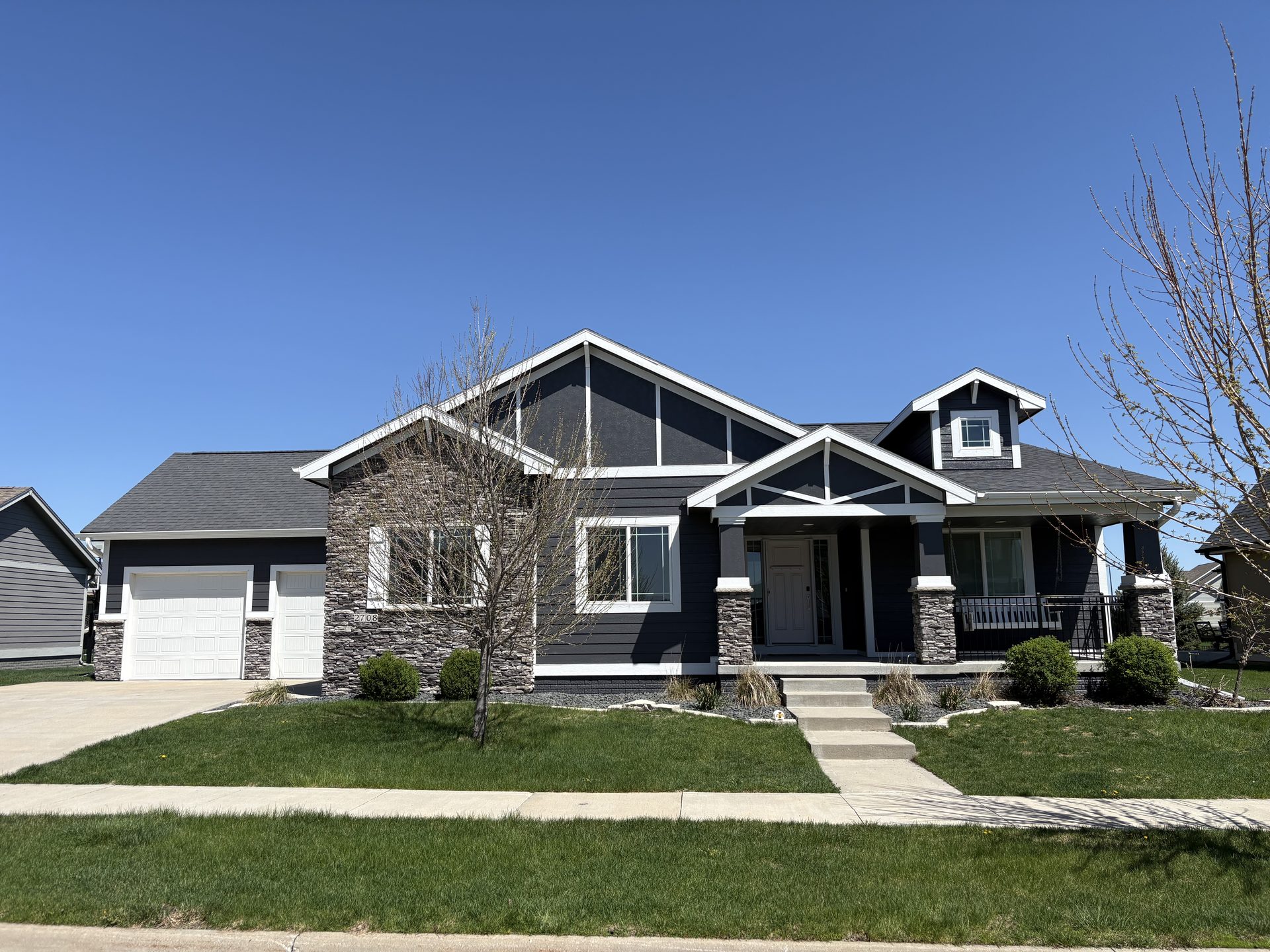
6. Aluminum Has Its Own Preparation Concerns
Aluminum does not carry the same vinyl-specific color issue, but it still needs careful preparation and product selection. Chalking, exposed metal, corrosion, and areas of failing old finish should be evaluated individually. A sound-looking wall can still have residue that interferes with adhesion.
Dents and loose pieces should be addressed separately if they are part of the intended improvement. Paint may improve color consistency without changing the physical shape of the material. Making that distinction before work begins helps set realistic expectations for what the completed exterior will look like.
7. Preserve Drainage and Movement Details
Siding assemblies need to shed water and accommodate movement. Cleaning and preparation should not create new problems at seams, openings, or edges. Caulking every visible gap is not automatically good practice, especially where an opening serves a drainage or ventilation purpose.
The painter should understand which joints are appropriate to seal and which should remain open under the siding manufacturer’s guidance. Nearby windows, doors, fixtures, landscaping, and surfaces not being painted also need protection. A careful exterior plan accounts for those details, not only the broad wall areas.
8. Choose the Right Iowa Weather Window
Clean siding still needs suitable conditions for coating. Surface temperature, moisture, wind, rain, and overnight conditions can all matter. Sun-facing panels may be much hotter than the air, while a shaded side remains damp or cool.
Application and drying should follow the chosen product’s requirements. A brief dry spell between storms is not automatically long enough, and a cold night can matter even after a warm afternoon. Discuss weather flexibility before scheduling so the project is not pushed forward just to meet an unsuitable date.
Request an Evaluation Before Repainting Siding
Central Iowa Painting primarily uses top-of-the-line Sherwin-Williams products, and homeowners can discuss a preferred brand. The right recommendation depends on your siding, the existing coating, and the proposed color—not simply whether a product says “exterior.”
Based in Ankeny, CIP serves Des Moines, Ankeny, and surrounding Central Iowa communities. Contact us to request a free estimate and discuss whether painting is a practical option for your aluminum or vinyl siding.
Call (515) 207-0165 or email contact@centraliowapainting.com to request a free estimate. Hours: Monday–Friday, 8am–5pm; weekends by appointment.