
Choosing a paint color is only part of the decision. The finish, or sheen, changes how the surface reflects light, how visible small defects become, and how the room looks after normal use. The same color can feel noticeably different in flat paint and in satin.
There is no rule that every wall needs eggshell or every bathroom needs semi-gloss. Room conditions, surface preparation, cleaning needs, and the specific paint line all matter. Here is a practical way to compare the common choices before painting your home.
1. Start With How Sheen Works
Lower-sheen finishes reflect less light and often make surface irregularities less noticeable. Higher-sheen finishes reflect more light and can emphasize dents, rough patches, and uneven application. That does not make one universally better; it means the surface and the desired appearance need to work together.
Sheen names are not perfectly standardized across manufacturers or product lines. One product’s satin may look different from another’s. Ask to see the actual finish being proposed, and use a sample when the difference matters. A color card alone will not show how your wall reflects the room’s light.
2. Flat Is Often a Good Ceiling Choice
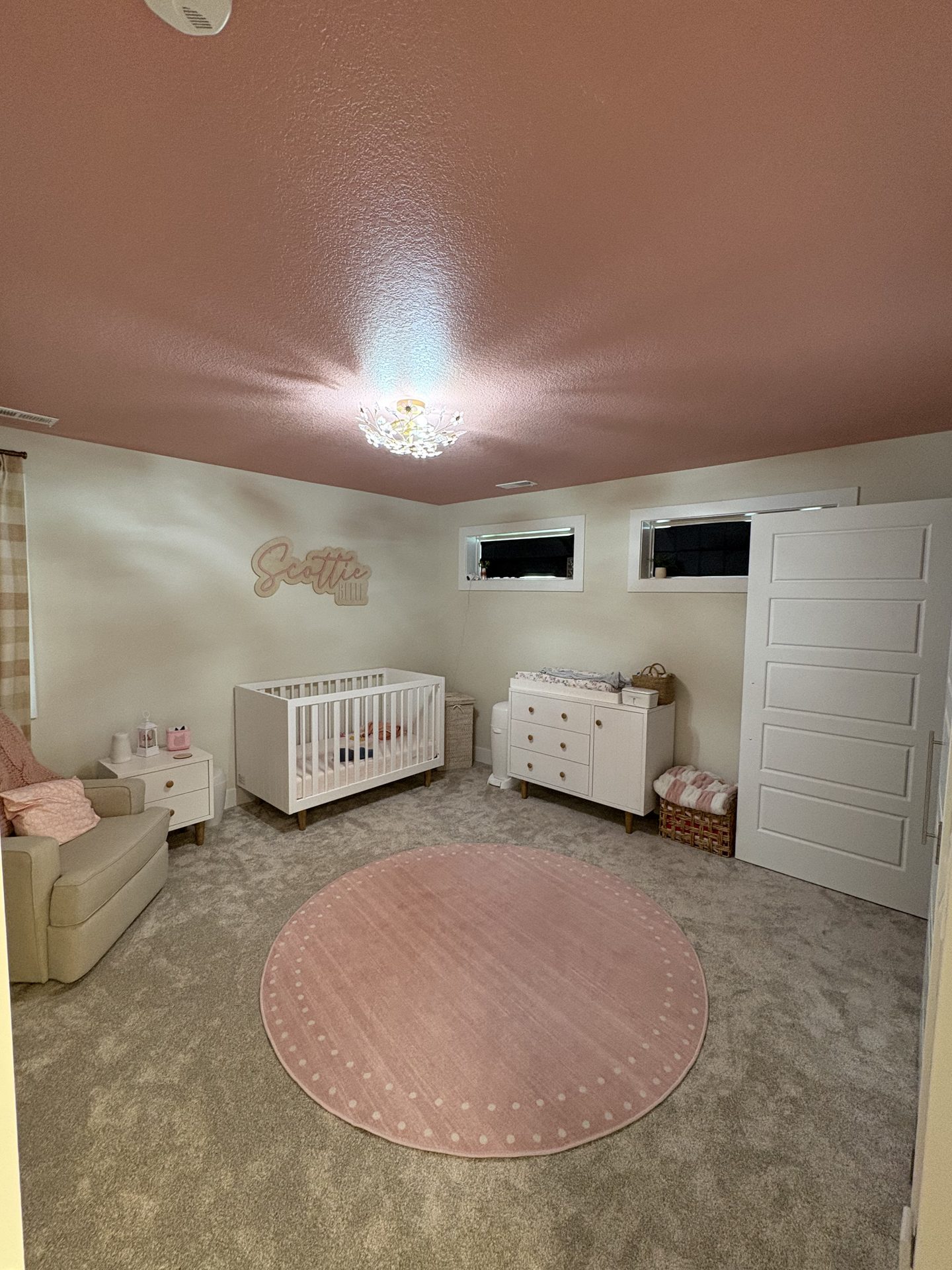
Flat paint provides very little reflection, which can help ceilings look more even. Ceilings often receive strong side lighting from windows, and a reflective finish can make joints, patches, and roller marks stand out. For many dry living spaces, flat is a practical starting point.
That does not mean every ceiling needs the same product. Bathrooms, areas with recurring condensation, and surfaces that need frequent cleaning deserve a separate discussion. Any water stains or moisture damage should be addressed before coating; choosing a different sheen is not a repair for an active problem.
3. Matte Can Give Walls a Quiet Appearance
Matte finishes offer a low-reflection look that can work well in bedrooms, living rooms, and other areas where a softer appearance is the priority. They can be helpful on older walls that are sound but not perfectly flat, because stronger reflections tend to reveal more irregularities.
Cleanability varies considerably by product. Some quality matte wall paints are designed to be washable, so do not assume every low-sheen finish is delicate. Ask how the selected product should be cleaned and how long it needs to cure before washing. The paint line matters alongside the sheen name.
4. Eggshell Is a Useful Middle Ground
Eggshell adds a little reflection without the more noticeable shine of satin or semi-gloss. It is a common option for living areas, bedrooms, and hallways when homeowners want a balance between appearance and practical cleaning. Whether it is right depends on both traffic and the wall condition.
If a hallway takes frequent hand contact or pet wear, compare specific washable products rather than automatically moving up one sheen. A sample beside a window can also reveal whether eggshell shows more surface texture than you want. There is no need to choose a finish based only on what is most common.
5. Satin Can Work for Busy Areas
Satin usually has more visible reflection than eggshell and can be a useful choice for surfaces that need regular wiping. It may suit some kitchens, bathrooms, doors, or trim, depending on the product. The increased sheen can make colors feel a little more pronounced in certain light.
The tradeoff is that defects and touch-ups can become easier to see. Cleaning, repairing, sanding, and priming the surface appropriately are important before applying a more reflective finish. Satin is not a way to make a rough wall smooth, and it does not eliminate the need for careful application.
6. Semi-Gloss Often Makes Sense on Trim
Semi-gloss can create a distinct contrast between walls and trim. It is frequently considered for baseboards, door frames, doors, and other detailed surfaces where a harder-looking, more reflective finish is desired. The specific trim or enamel product should be suited to the material and use.
Existing glossy trim may need cleaning, scuff sanding, and a compatible primer or bonding system before repainting. Simply choosing semi-gloss does not guarantee adhesion or durability. Homeowners who prefer a quieter appearance can also discuss a satin trim finish rather than assuming shinier is always better.
7. Bathrooms Need the Right Product, Not Just More Shine
Moisture resistance and cleanability are not determined by sheen alone. Some products are specifically designed for humid environments in lower sheens, while others may not be appropriate even if they look glossy. Review the actual coating’s intended use before selecting it for a bathroom.
Ventilation and moisture control remain essential. A suitable paint cannot stop a leak, prevent persistent condensation by itself, or fix damaged material. If you see peeling or recurring staining, investigate the cause before repainting. Ask separately about the ceiling, walls, and trim because they may need different preparation or finishes.
8. Choose a Coordinated Plan for the Whole Room
You do not need the same sheen on every surface. A flat ceiling, washable low-sheen walls, and satin or semi-gloss trim can work together, provided the products suit the conditions. The goal is a deliberate result rather than selecting each can independently.
- Consider traffic and how often the surface needs cleaning.
- Look at the wall in natural and evening light.
- Discuss existing defects and the preparation included.
- Confirm the exact product and sheen in the written scope.
At Central Iowa Painting, prep can include filling holes, repairing minor wall damage, sanding, caulking, and spot priming. Those steps help the finish look consistent whichever sheen you choose.
Get Help Choosing the Right Finish
CIP primarily uses top-of-the-line Sherwin-Williams products, and homeowners can discuss a preferred brand. Our trained, in-house painters handle interior projects backed by a 7-year workmanship warranty. Product selection and preparation belong in the same conversation as color.
Central Iowa Painting is based in Ankeny and serves Des Moines, Ankeny, and surrounding Central Iowa communities. Contact us to request a free estimate and discuss finishes for your walls, trim, ceilings, and bathrooms.
Call (515) 207-0165 or email contact@centraliowapainting.com to request a free estimate. Hours: Monday–Friday, 8am–5pm; weekends by appointment.