
An interior painting project should be more than a crew arriving with rollers and leaving when the color changes. The finished result depends on the planning, protection, preparation, application, and final review around the painting itself. Understanding that process helps you compare estimates and know what to expect at home.
Every project has its own scope. A single bedroom is different from a furnished whole-home repaint, and walls-only work is different from including ceilings, doors, and trim. Here is the practical sequence to discuss before the project begins.
1. An In-Person Look and a Written Estimate
The estimate should start with the actual rooms and their condition. This is the time to point out dents, old patches, stains, cracks, and anything you want changed. It is also the time to distinguish painting work from repairs that may require another trade or a more extensive scope.
The written proposal should identify surfaces, preparation, products, protection, and cleanup. Walls, ceilings, baseboards, doors, closets, and stairways should not be left to assumption. At Central Iowa Painting, the estimate should make the agreed work understandable so the homeowner can make a decision based on the complete project.
2. Color, Sheen, and Logistics Before Work Starts
Finalize colors and finishes early enough to avoid rushed decisions on painting day. A sample in the actual room can be helpful because lighting and nearby flooring change how a color appears. Confirm which product and sheen go on each type of surface, rather than treating every room as identical.
Then discuss access, furniture, fragile items, pets, and the expected room-by-room sequence. Clarify who removes artwork, curtains, and small belongings, and who handles larger furniture. If you will be working from home or need a particular room available, bring that up before the schedule is set.
3. Protection for the Home Around the Work
Floors, furniture, counters, fixtures, and surfaces not being painted need appropriate protection. The setup depends on the room and the amount of preparation involved. Moving and covering belongings is part of making the work area practical, not an afterthought once paint is already open.
Ask how daily access will work while protection is in place. Walkways and exits should remain safely usable, and children and pets need to stay clear of tools and wet coatings. A protection plan should support a safe work area while reducing the risk of dust or paint reaching surrounding surfaces.
4. Cleaning and Minor Surface Repairs
Walls may need cleaning around switches, cooking areas, or other spots with grease and residue. Small holes, dents, and rough patches need attention before finish painting. At CIP, prep is treated as part of the finished product and can include filling holes and repairing minor wall damage.
Some problems are not routine cosmetic repairs. An active leak, recurring crack, loose surface, or major drywall damage should be discussed rather than painted over. If work outside the agreed scope is discovered, the next step should be explained and approved before it becomes an unexpected part of the bill.
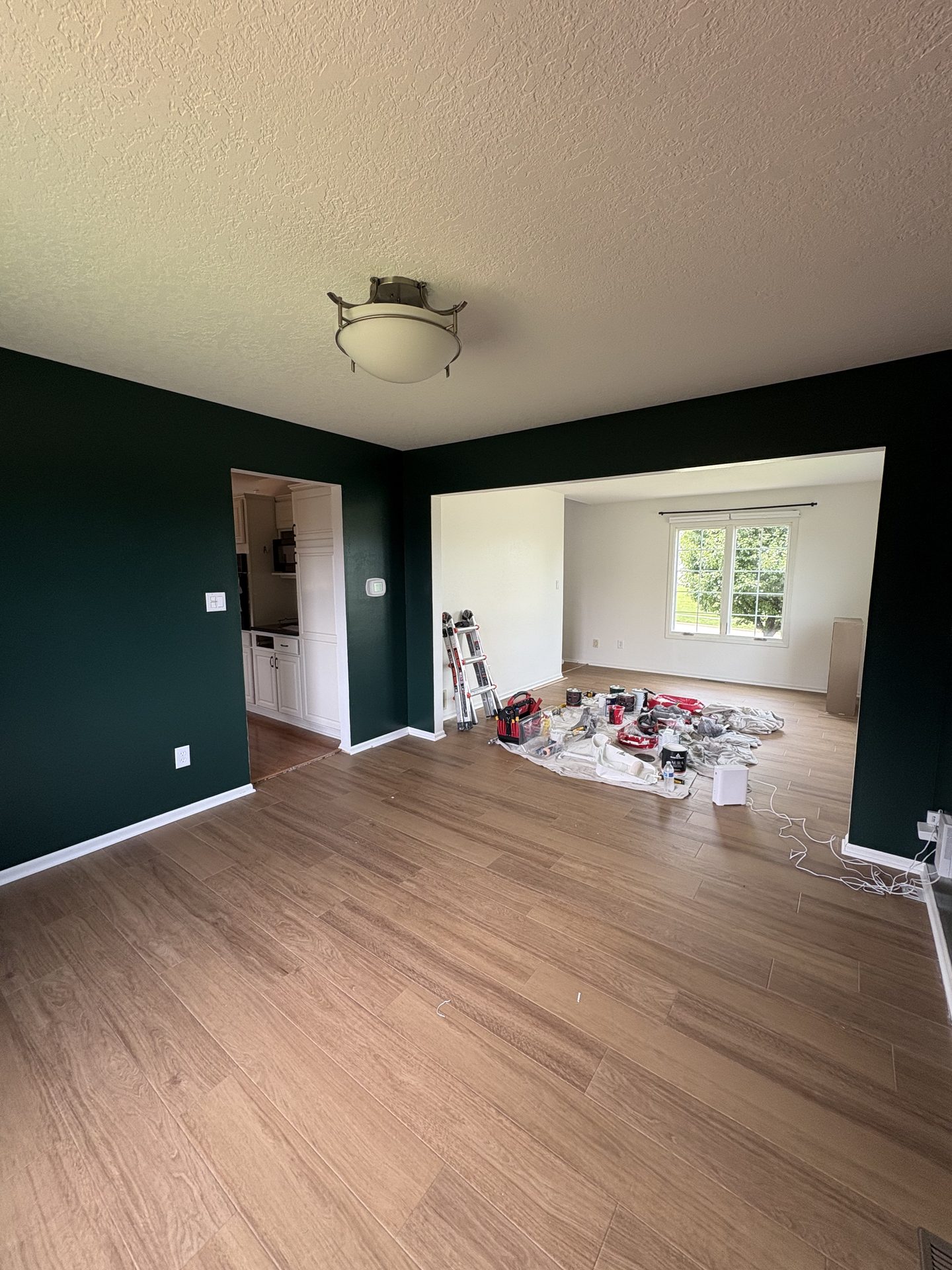
5. Sanding, Caulking, and Priming Where Needed
Repaired areas need to blend with the surrounding wall. Sanding helps remove ridges and roughness, while suitable trim joints may need caulking. Dust must be removed so the next coating bonds to the surface. These steps help prevent a fresh color from highlighting unfinished preparation.
Spot priming may be needed over repairs or exposed material. New drywall, stains, and difficult existing finishes can require a broader or more specialized primer plan. Older painted surfaces also deserve a lead-safe preparation discussion before sanding or scraping. The approach should fit the surface, not a one-size-fits-all checklist.
6. Applying the Selected Coating System
Once the surface is ready, the painter can apply the specified finish using methods suited to the room and material. Edges, broad wall areas, trim, and doors need their own attention. The goal is consistent color and sheen, not simply reaching a predetermined number of fast passes around the room.
Drying and recoat intervals should follow the product requirements. Central Iowa Painting primarily uses top-of-the-line Sherwin-Williams products, with preferred brands open for discussion. Quality paint matters, but it works best as part of a complete system that includes sound preparation and proper application.
7. Cleanup and Returning the Space to Use
Cleanup should be part of the scope, including removal of painting debris and the protection used for the work. Clarify in advance how furniture, wall items, and other belongings will be handled at completion. “Cleanup” should not mean the homeowner has to guess which tasks are still theirs.
Ask when painted surfaces can be touched, cleaned, or put back into normal service. Dry to the touch does not always mean fully cured. Furniture, tapes, decorations, and repeated washing can affect a finish too soon, so the selected product’s care guidance is worth keeping with your project records.
8. A Final Walkthrough and Clear Follow-Through
The final review is a chance to compare the result with the agreed scope and identify concerns that need attention. Walk the rooms and look at the included surfaces, not just the overall color. Ask questions while the details are fresh and the project information is easy to reference.
CIP uses trained, in-house painters and backs interior projects with a 7-year workmanship warranty. Review the written warranty terms and how to report a concern. Workmanship coverage is different from normal wear or later damage, so understanding the process is more helpful than relying on the warranty number alone.
Request a Complete Interior Painting Estimate
Central Iowa Painting is based in Ankeny and serves Des Moines, Ankeny, and surrounding Central Iowa communities. Whether you are updating one room or several connected spaces, contact us to request a free estimate with the preparation, protection, painting, and cleanup clearly defined.
Call (515) 207-0165 or email contact@centraliowapainting.com to request a free estimate. Hours: Monday–Friday, 8am–5pm; weekends by appointment.