
A wall can be the right color and still look unfinished. Dents catch the light, old patches show through, and rough edges stand out beside a fresh coat. Many of those problems begin before painting, when the surface and the room are being prepared.
At Central Iowa Painting, prep is treated as part of the finished product. That does not mean every wall needs to be rebuilt. It means identifying what the surface needs, agreeing on the scope, and doing the necessary work before the finish hides the starting point.
1. Walk the Room and Define the Work
Preparation should begin with a look at the actual walls, not an assumption that every room has the same needs. Small nail holes, dents, damaged corners, open trim joints, and old patches should be discussed. Cracks and stains may need more investigation than a routine cosmetic repair.
Ask which repairs are included and what falls outside the painting scope. Minor wall damage is different from major drywall replacement, structural movement, or an active leak. A written description helps the homeowner and painter agree on what the finished surface should reasonably look like.
2. Protect Floors, Furniture, and Nearby Surfaces
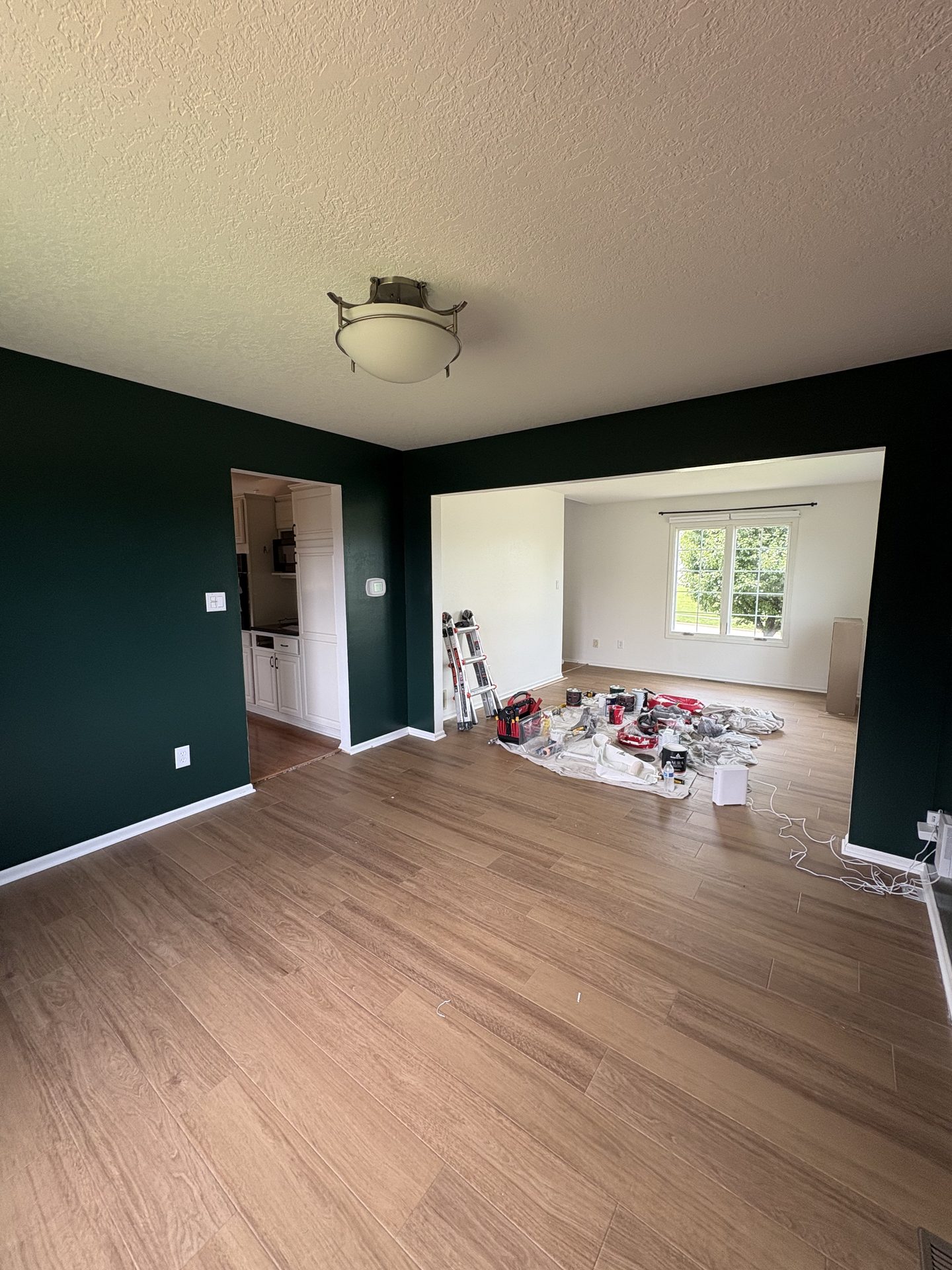
A professional painting plan should account for the room around the walls. Floors, furniture, countertops, fixtures, and surfaces that are not being painted need suitable protection. The exact setup depends on the room, the work being done, and whether the home remains occupied.
Before the crew arrives, clarify who will move furniture, take down artwork, and handle fragile or valuable belongings. Small items are easier for homeowners to remove ahead of time than to work around during painting. Protection should stay useful throughout the job, not become a tripping hazard or an obstacle to safe access.
3. Clean Contamination Instead of Painting Over It
Grease, hand oils, dust, and cleaning residue can interfere with adhesion. Kitchens, bathrooms, switches, and hand-contact areas often need more than a quick dusting. The cleaning method should suit both the contamination and the underlying surface, with any necessary rinsing and drying completed before coating.
If a wall has peeling paint or recurring moisture damage, the problem needs attention before ordinary repainting. Paint will not correct an active leak or make an unsound layer stable. For older homes, talk about lead-safe preparation before sanding or scraping existing painted surfaces.
4. Fill Nail Holes and Repair Minor Damage
Small holes, dents, and damaged edges are common in lived-in rooms. Filling them is only the first step. Repair material needs enough time to dry, and some repairs need more than one application to avoid leaving a low spot or a visible ridge.
Ask which fasteners should stay for items you plan to rehang. Otherwise, the crew may fill holes you intended to reuse. At CIP, preparation can include filling holes and repairing minor wall damage, with the details matched to the agreed scope rather than assuming every mark in the house is included.
5. Evaluate Cracks Before Covering Them
A hairline crack and a crack that repeatedly opens are not necessarily the same problem. Some can be addressed as cosmetic wall repairs; others may point to movement, moisture, or a condition outside routine painting work. Simply smearing filler over every crack does not explain why it appeared.
A good conversation separates minor repair work from issues that need another trade or further evaluation. The painter should not promise that a cosmetic patch can stop ongoing movement. If a repair method or an additional charge is needed, discuss that before the area is covered with finish paint.
6. Sand for a Smooth Transition
Dry filler, rough old patches, paint drips, and raised edges can all remain visible through a new color. Appropriate sanding helps repairs blend into the surrounding wall. It also helps prepare certain glossy surfaces when the selected coating system requires it.
More sanding is not automatically better, particularly on delicate drywall paper or unknown old coatings. The goal is a sound, even surface without unnecessary damage. Dust should be removed afterward so the next coat bonds to the wall rather than a fine layer of sanding residue.
7. Caulk Suitable Gaps and Prime Repairs
Paintable gaps at suitable trim joints can distract from an otherwise clean finish. Where appropriate, caulking helps create a more consistent transition. It is not a substitute for fastening loose trim, repairing damaged material, or filling every opening without understanding its purpose.
Repaired and exposed areas may also need spot primer. That helps control differences in absorption and supports a more uniform finish. Widespread damage, stains, bare material, or a difficult existing coating can require a different primer plan. These decisions should follow the surface condition, not a blanket rule for every wall.
8. Check the Surface Before Finish Painting
Once repairs, sanding, and priming are complete, another look can reveal rough patches or missed defects. Light from windows and fixtures often makes these easier to see. It is much simpler to correct a small preparation problem before several finish coats are already in place.
Preparation improves the wall, but it does not make every older surface look like brand-new drywall. If you want texture removal, extensive leveling, or a particularly smooth finish under harsh lighting, discuss that goal during the estimate. Those expectations can change the scope substantially.
Choose a Painter Who Explains the Prep
Central Iowa Painting uses trained, in-house painters and backs interior projects with a 7-year workmanship warranty. We primarily use top-of-the-line Sherwin-Williams products, with preferred brands open for discussion. The preparation underneath those products deserves the same attention as the final color.
CIP is based in Ankeny and serves Des Moines, Ankeny, and surrounding Central Iowa communities. Contact us to request a free estimate and a written scope that explains what happens before your walls are painted.
Call (515) 207-0165 or email contact@centraliowapainting.com to request a free estimate. Hours: Monday–Friday, 8am–5pm; weekends by appointment.